If you have ever stood in front of the treatment menu wondering whether you should book dermaplaning or a facial, you are not alone. Both live in the same world of professional skin care, both leave you glowing, and both get talked about as if they do the same thing. They do not. Understanding what sets them apart is the fastest way to spend your time and money on the treatment your skin actually needs right now. Here is a clear, honest breakdown to help you decide.
What Dermaplaning Actually Is
Dermaplaning is a manual exfoliation treatment. Using a sterile surgical-grade blade held at a careful angle, your esthetician gently sweeps away the top layer of dull, dead skin cells along with the soft, fine facial hair often called peach fuzz. It is precise, controlled work, and when done by a trained professional it should feel like a light scraping sensation, not a shave.
The point of dermaplaning is not the hair, even though many people love that side benefit. The real goal is smoother texture and a brighter surface. By clearing away that build-up, your skin reflects light more evenly and your serums and moisturizers can absorb better. Makeup also tends to sit more smoothly afterward, which is why a lot of clients book it before an event.
What a Facial Actually Is
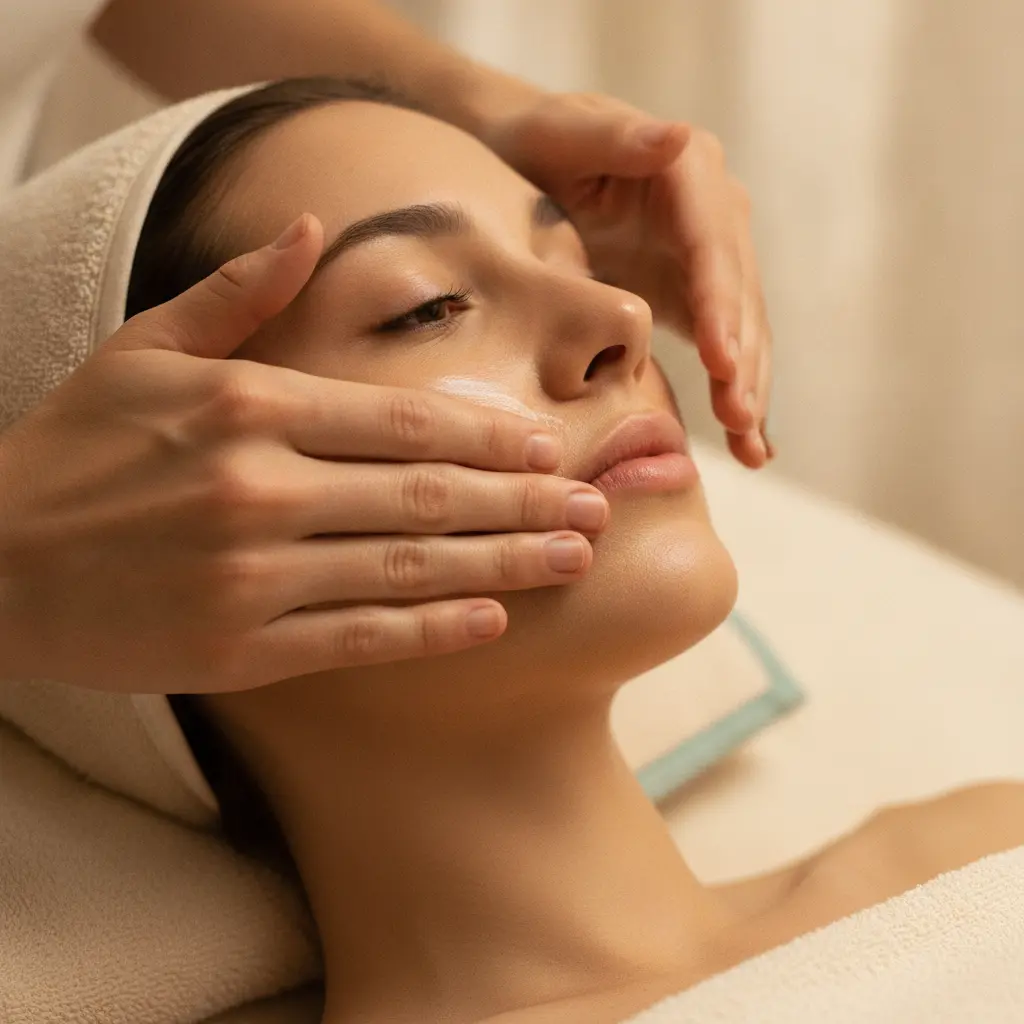
A facial is a broader, more customizable treatment focused on cleansing, treating, and nourishing the skin over a full session. A typical facial includes a deep cleanse, some form of exfoliation, extractions if your skin needs them, a mask matched to your concern, and finishing products like serums, moisturizer, and sun protection. Many facials also include a relaxing massage of the face, neck, and shoulders.
The strength of a facial is flexibility. It can be built around hydration, congestion and breakouts, dullness, sensitivity, or signs of aging. Because your esthetician can adjust the products and steps to your skin on the day of your visit, a facial is a good ongoing habit rather than a one-note fix. It treats the skin as a whole, not just the surface.
The Key Differences Side by Side
Once you see them next to each other, the choice gets easier.
- Main action: Dermaplaning is purely physical exfoliation plus fine hair removal. A facial is a full cleanse-treat-nourish routine that can include many steps.
- Focus: Dermaplaning targets surface texture and smoothness. A facial targets deeper skin health and a specific concern.
- Customization: Dermaplaning is fairly consistent from visit to visit. A facial is tailored each time.
- Best for: Dermaplaning suits people wanting instant smoothness and glow. A facial suits people wanting maintenance, deep cleansing, or help with a particular issue.
- Extractions: A facial can address clogged pores directly. Dermaplaning does not.
The Benefits of Each
Why people choose dermaplaning
The appeal is speed and immediacy. You walk out with visibly smoother, brighter skin and no downtime for most people. Skin care products can penetrate more easily right after, and makeup application feels flawless. For anyone with dull, flaky texture or those tiny hairs that bother them, the results are satisfying and easy to see.
Why people choose a facial
A facial is the treatment that keeps your skin balanced over the long haul. Regular facials help manage congestion, support hydration, and give your esthetician a chance to track how your skin is changing and adjust care accordingly. If your goal is healthy skin as a lifestyle rather than a one-time refresh, this is your foundation.
How to Choose the Right One for You
Start with your goal. If you have an event coming up and want your skin looking its smoothest, dermaplaning is a strong pick. If you are dealing with breakouts, blackheads, tightness, or you simply want a steady routine that keeps your skin in good shape, a facial serves you better.
Your skin type matters too. Dermaplaning is generally not recommended if you have active, inflamed acne, since working a blade over irritated skin can aggravate it. Very sensitive or reactive skin should also be assessed first. This is exactly why a conversation with a qualified esthetician matters. At Sofipie Studio in Stoneham, MA, Taline looks at your skin in person before recommending anything, because the right answer depends on what she sees, not on a generic rule. Results always vary from person to person.
Cost is another practical factor. Pricing for both treatments varies widely depending on your area, the provider, and what is included, so it is worth asking directly rather than assuming. In general, a full facial with more steps and time tends to sit at a higher price point than a standalone dermaplaning session, though this is only a rough guide and not a quote.
Can You Combine Dermaplaning and a Facial?
Yes, and this is often the smartest route. Many clients add dermaplaning to a facial so the skin is exfoliated and smoothed first, then deeply cleansed and nourished with a mask and treatment products. Because the fine surface layer has been cleared away, the rest of the facial can work more effectively. It is a thorough, feel-good combination that covers both instant glow and deeper care in one appointment. Whether it is right for you comes down to your skin on the day, which your esthetician will confirm before starting.
Still not sure which path fits your skin? That is completely normal, and it is the best reason to simply ask. Book a consultation with Taline at Sofipie Studio and get a calm, honest recommendation built around your skin and your goals, with no pressure and no guessing.
Frequently asked questions
Does dermaplaning make facial hair grow back thicker or darker?
No. Dermaplaning removes fine surface hair, and because the hair is soft and fine, it grows back the same way it was before. It does not change the color, thickness, or growth rate of your hair. That is a common myth that does not hold up.
How often should I get a facial or dermaplaning?
Many people book a facial every four to six weeks, since that roughly matches your skin's natural renewal cycle. Dermaplaning is often done on a similar schedule. The right frequency for you depends on your skin type and goals, so confirm a plan with your esthetician.
Is there any downtime after dermaplaning?
For most people there is little to no downtime, and you can return to your day right away. Your skin may look slightly pink for a short while and can feel more sensitive to sun, so daily sun protection is important. Results vary, so follow the aftercare guidance your esthetician gives you.
Which treatment is better before a big event?
Dermaplaning is a popular pre-event choice because it leaves the skin instantly smooth and helps makeup go on evenly. A hydrating facial can also be a lovely option for a fresh, healthy look. If timing allows, ask your esthetician which suits your skin so you avoid any surprises close to the date.
Ready to care for your skin?
Book a personal consultation with Taline at Sofipie Studio in Saugus, MA.
Contact Taline