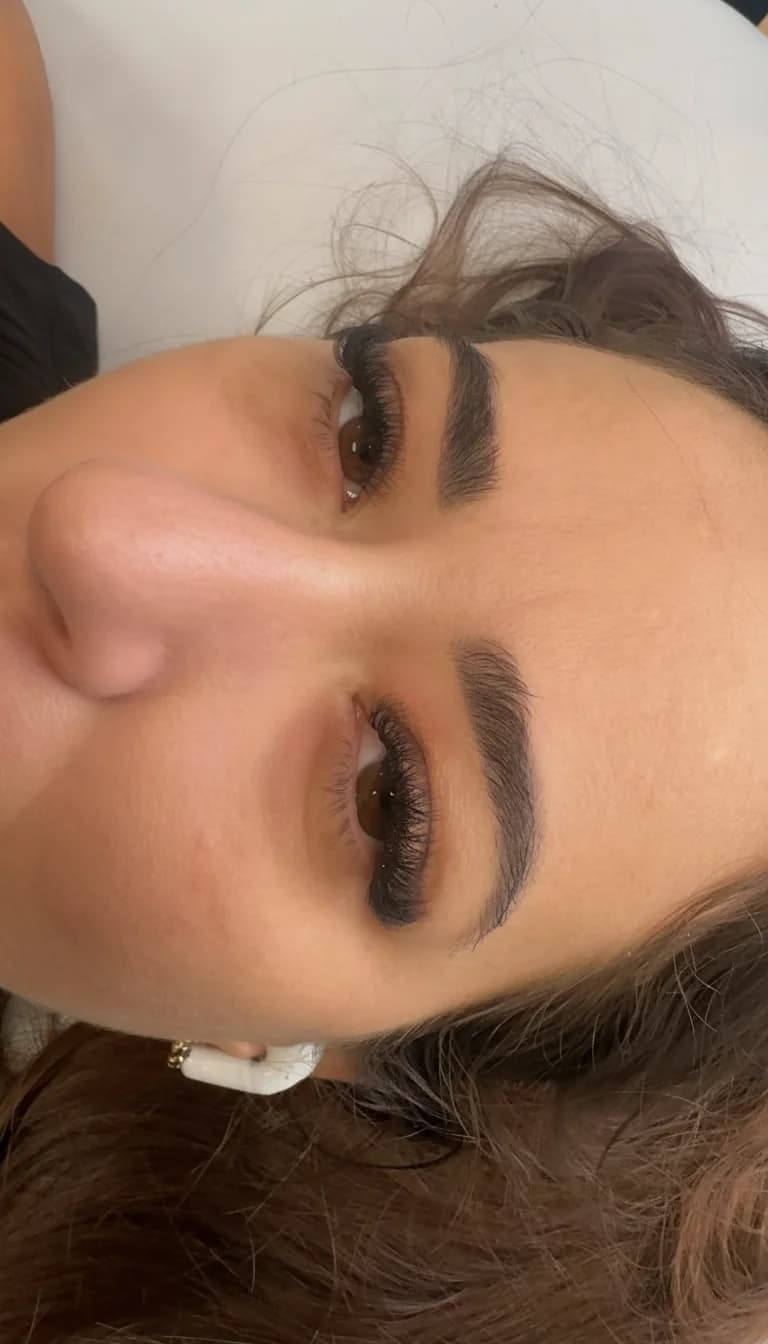
Your brows do more quiet work than almost any other feature on your face. They frame your eyes, balance your other features, and shape the expression people read before you even speak. When the shape suits you, everything looks more rested and intentional. When it fights your face, you feel it, even if you cannot name why. Good brow design is not about copying a trend or chasing the thinnest or boldest line. It is about finding the shape that already belongs to your face and refining it with a steady, expert hand. Here is how thoughtful brow shaping actually works, so you can make choices you will still like months from now.
Why Brow Shape Matters More Than You Think
Brows are the anchor of the upper face. A shape that follows your natural bone structure lifts the eye area and makes your features look more symmetrical, because true symmetry is rare and well-placed brows can gently correct for it. The wrong shape does the opposite. Brows set too high can read as surprised, brows over-tweezed in the middle can make eyes look close together, and a heavy, flat line can weigh down the whole face.
There is also the long game to consider. Hair follicles that are repeatedly plucked can stop producing hair over time, so an aggressive shape you commit to in your twenties may be hard to reverse later. This is a big reason a considered, conservative approach tends to age better than a dramatic one. The goal is a shape you can maintain for years, not one you have to constantly fight to keep up.
How a Pro Maps Your Brows to Your Face
Before a single hair is touched, a skilled esthetician studies your face. Brow mapping is the method behind a shape that looks made for you, and it usually relies on three reference points measured from your own features.
- The start. The inner edge of each brow should generally line up with the side of your nose, so the brows are neither too close nor too far apart.
- The arch. The highest point tends to sit above the outer edge of your iris when you look straight ahead, which is what gives the brow its lift.
- The tail. The end is often mapped on a diagonal from the outer corner of your nose past the outer corner of your eye, so the tail does not droop below the start.
These are starting guides, not rigid rules. A good practitioner adjusts them for your face shape, eye spacing, and how your hair naturally grows. Rounder faces sometimes suit a slightly higher, more defined arch to add length, while longer faces often look more balanced with a softer, flatter shape. Your natural brow bone and the direction of your hair always get a vote.
Shaping Methods: Tweezing, Waxing, and Threading
Different methods remove hair in different ways, and the right one depends on your skin, your hair, and the precision the shape calls for.
Tweezing
Tweezing removes one hair at a time, which makes it the most precise option for detail work and for maintaining an established shape. It is gentle on the surrounding skin and lets your esthetician build the shape hair by hair. The trade-off is time, so it is often used for refinement rather than clearing large areas.
Waxing
Waxing removes hair in sections quickly and leaves a clean, defined edge, which many people love for that crisp finished look. Because it lifts the top layer of skin along with the hair, it is worth flagging any retinoids, acids, or sensitive skin beforehand so your provider can adjust or skip it. Many pros combine waxing to clear the bulk with tweezing to perfect the line.
Threading
Threading uses a twisted cotton thread to lift rows of hair and can be a good choice for finer definition and for those who prefer to avoid wax on the skin. As with any method, results vary from person to person, and the skill of the hand matters far more than the tool itself.
Growing Out and Maintaining Your Shape
If you are recovering from over-plucked brows, patience is the whole strategy. Brow hair grows on its own cycle, and a full grow-out commonly takes several weeks to a few months before there is enough to shape well. During that stretch, the hardest and most valuable thing you can do is leave the strays alone so your esthetician has material to work with. A brow serum or simply nourishing the area can support the process, though outcomes differ and nothing works overnight.
Once your shape is set, upkeep is light. Most people do well with a shaping appointment every three to four weeks, since that roughly matches the growth cycle and keeps the line clean without letting it get overgrown. Between visits, resist the urge to tidy the arch or tail yourself, which is where most self-inflicted mistakes happen.
Working With Your Natural Brows
The most flattering brows are almost always a refined version of what you already have, not a shape imported from someone else's face. Trends move fast, from pencil-thin to bushy and back, but your bone structure does not. Building the design around your natural growth means less daily effort, a more believable result, and far less risk of removing hair you will wish you kept.
Sparse spots are normal, and they do not mean you need a drastic shape. A light fill with pencil or powder, or a longer-term option like tinting to darken finer hairs, can create fullness while your real hair does the structural work. The best results come from a partnership: you bring your face and your preferences, and your esthetician brings the trained eye that sees the shape hiding in your natural brow.
If you have been guessing at your brows or trying to undo an old shape, a professional brow design session can reset the whole thing. Taline at Sofipie Studio in Stoneham, MA takes the time to map your features, listen to what you want, and shape brows that look like the most rested, put-together version of you. When you are ready, book a brow design appointment and find the shape that truly fits your face.
Frequently asked questions
How often should I get my brows shaped?
Most people do well with a shaping appointment every three to four weeks, which roughly matches the natural hair growth cycle. If you are growing your brows out, you may space visits further apart so there is enough hair to work with.
Does brow shaping hurt?
There can be a quick pinch, especially with waxing or threading, but most people find it very manageable and over fast. Let your esthetician know if your skin is sensitive or you are using retinoids or acids, so the method can be adjusted for comfort.
How much does professional brow shaping cost?
Pricing varies by location, method, and how much work your brows need, though brow shaping is generally one of the more affordable services at a studio. For an exact quote, it is best to check current rates directly, since your individual needs affect the final price.
Can over-plucked brows grow back?
Often they can, but it depends. Hair usually returns over several weeks to a few months, though follicles plucked repeatedly for years may not regrow fully. Leaving the area alone and letting a professional guide the grow-out gives you the best chance at a healthy shape.
Ready to care for your skin?
Book a personal consultation with Taline at Sofipie Studio in Saugus, MA.
Contact Taline